
History of Stobi.
Explore the ancient city of Stobi, where centuries of culture, trade, and religion shaped the heart of Macedonia and left behind a rich archaeological legacy.
The City of Stobi
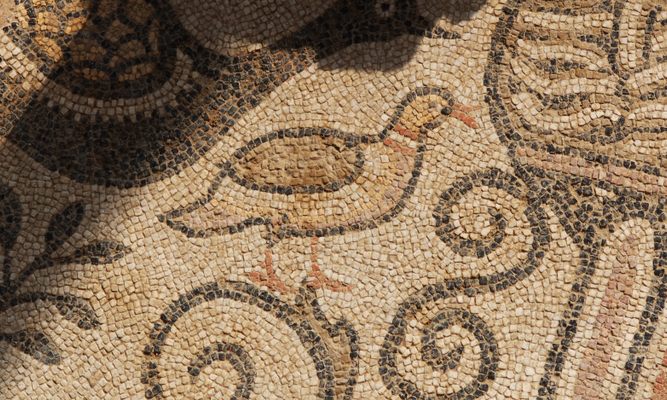
Stobi is one of the most important archaeological sites in North Macedonia, located at the meeting point of the Crna and Vardar rivers. Its strategic location made it a thriving center of trade, culture, and governance for centuries. The city’s history spans from the Hellenistic period, through Roman times, and into the early Byzantine era, reflecting a rich blend of influences and traditions.
Early Settlement
The origins of Stobi date back to small settlements during the Hellenistic period. Over time, its location along major trade routes allowed it to grow in importance. Archaeological evidence shows that the early inhabitants established basic urban structures, laying the foundation for the city that would flourish under Roman rule.

Roman Era and Urban Development
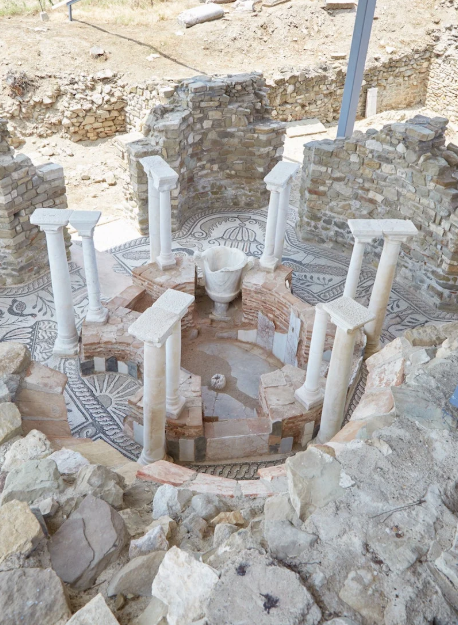
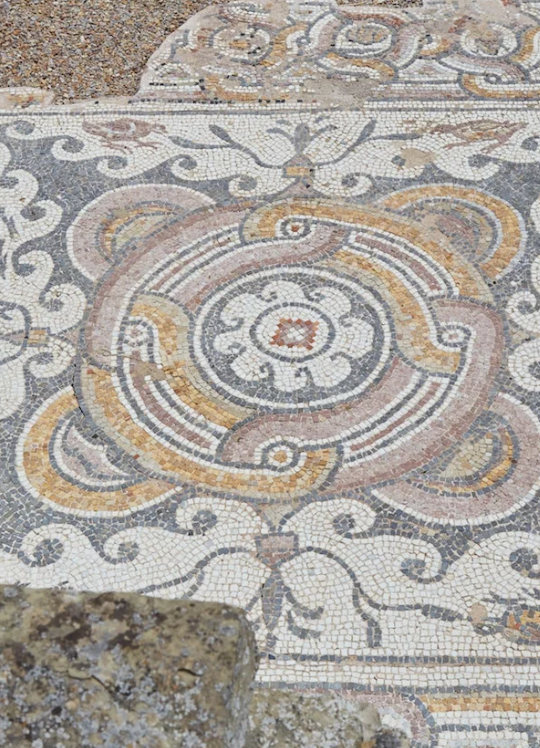
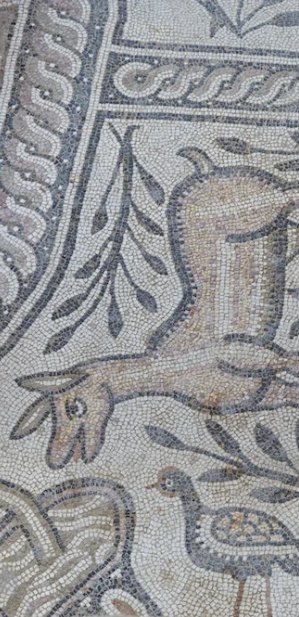
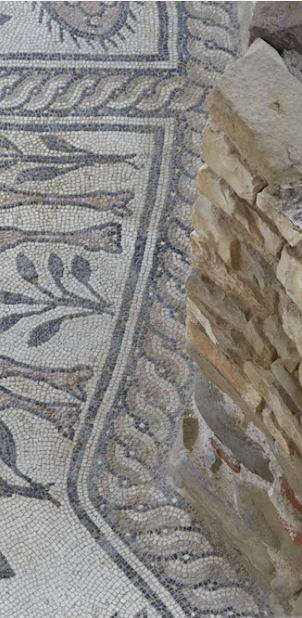
Under Roman rule, Stobi became the capital of the province of Macedonia Salutaris. The city was carefully planned, with streets lined by public buildings, private homes, marketplaces, and monumental structures. Excavations have revealed sophisticated aqueducts, bathhouses, and impressive mosaics, demonstrating the engineering and artistic achievements of its citizens. Stobi was a center of administration, commerce, and daily life, reflecting the prosperity of Roman urban culture.
Religious Life
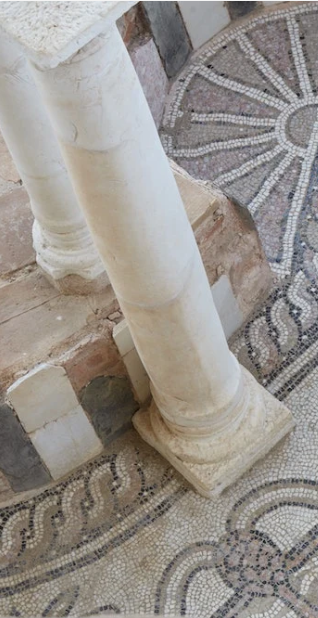
Religion played a central role in Stobi. Temples, basilicas, and early Christian churches were prominent throughout the city. Many of these buildings were adorned with intricate frescoes and mosaic floors, which provide valuable insight into the spiritual and cultural practices of its people. The early Christian churches indicate Stobi’s important role in the spread of Christianity during the late Roman and early Byzantine periods.
Decline and Abandonment
Stobi experienced periods of decline during the later Roman and early Byzantine periods, facing invasions and natural disasters. By the 6th century, the city was largely abandoned. Despite this, its architectural and artistic legacy remained, preserving a snapshot of life in an ancient city that had once been a regional hub.
Excavation and Research
Excavations at Stobi began in the late 19th and early 20th centuries and continue to this day. Archaeologists have uncovered public buildings, homes, streets, mosaics, and tombs, revealing the city’s rich history. The site serves as a key resource for understanding the urban, cultural, and religious life of the ancient world in Macedonia and the wider Roman Empire.
Stobi Today and Beyond
Today, Stobi is a protected archaeological site open to visitors. Walking among the ruins, one can see remnants of ancient streets, temples, mosaics, and churches. Exhibitions and guided tours provide context for the artifacts and structures, helping visitors connect with the city’s history and understand the daily lives of its former inhabitants. Stobi remains a vital link to the past, allowing us to experience the story of a city that was once a crossroads of civilizations.

Designed with WordPress